History Of Bannerghatta Road
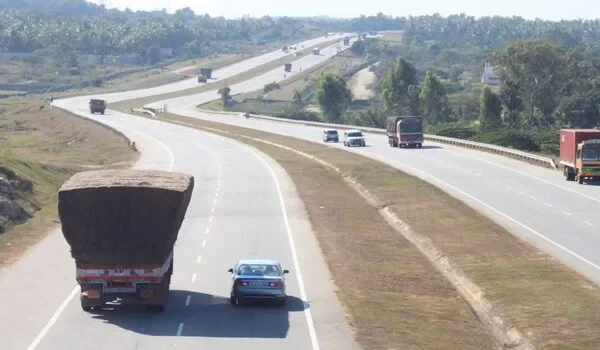

Featured Image of History Of Bannerghatta Road

Bannerghatta Road is part of the Bannerghatta region. Long ago, it was mostly forest and small villages. People lived here thousands of years ago. Archaeologists found old stone tools in this area. People needed nature. Water and forests gave them food and a place to live.
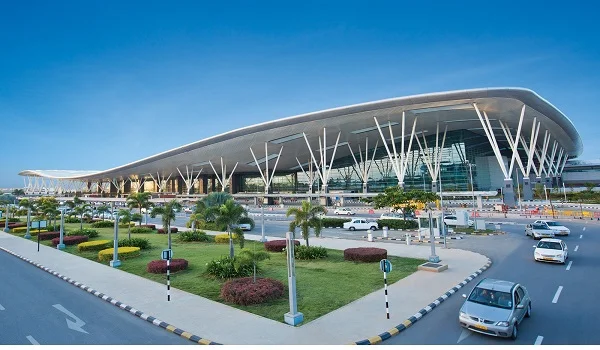
Development of Early Roads and Cities.


Villages slowly grew in Bannerghatta. Mud paths connected these villages. With these roads, farmers, traders, and pilgrims passed on their way between Bangalore and other towns. These roads were later to be renamed as Bannerghatta Road. Farms, wells and temples were found in such villages as Ragihalli and Shivanahalli. Individuals had a simple life near nature.

Religious and Cultural Importance


These highways had been utilized by pilgrims in the other villages to visit the temples. It was not only a road that was to be travelled. It connected the individuals and their culture.

Changes During the British Period


When the British ruled, they improved rural roads. Bannerghatta Road also grew slowly at this time. Better roads helped trade and travel. Even with little building, the road slowly got better and stronger.

Turning Point – Bannerghatta National Park (1974)


In 1974, Bannerghatta National Park was established. This was a big change. The park saved animals and forests. Some people had to move. Others had to follow new rules. Bannerghatta Road became the main way to reach the park from Bangalore. More people started using it.



Bannerghatta Road as a Key Link to Nature


Bannerghatta Road joins the city and the forest. It links busy places with nature. Even now, you see both city and green areas along the road. This is special in Bangalore.

Urban Growth and Expansion in the Late 1990s


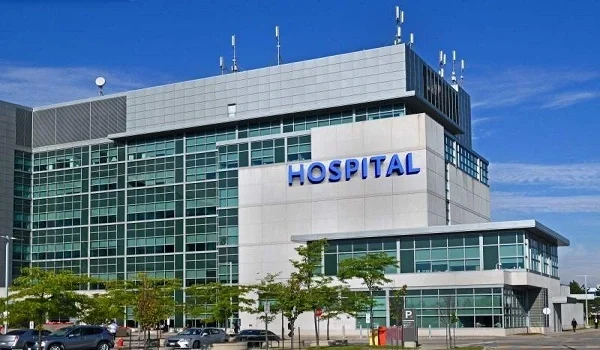
Before the late 1990s, Bannerghatta Road was quiet and mostly connected villages to the city. When IT companies grew, the city got bigger and pushed south. New buildings, schools, and hospitals were built along the road. This changed it into a city road. The area got busier and more crowded.

Rapid Development in the 2000s


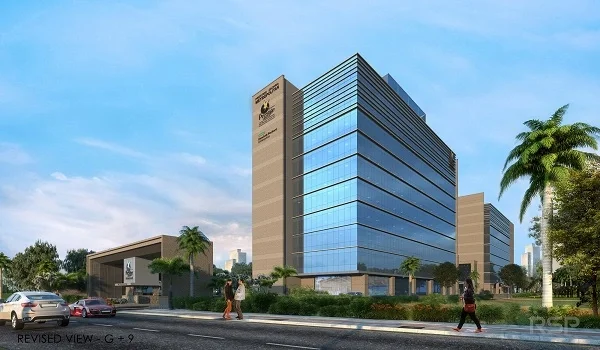
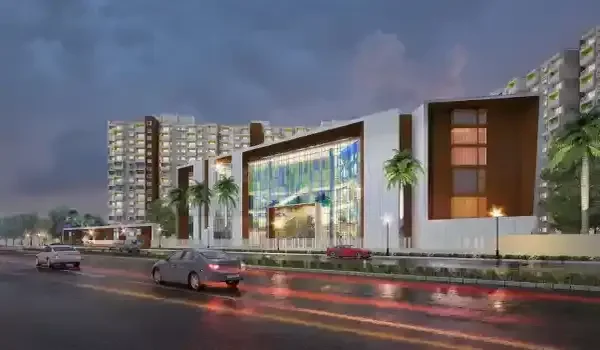
In the early 2000s, Bannerghatta Road grew fast. Big schools like IIM Bangalore came here. IT centres like Electronic City brought more people to live here. Apartments, offices, malls, and hospitals were built. Bannerghatta Road became a main area to live and work in South Bangalore. The road changed from a small path to a busy city street.

Modern Transformation into an Urban Corridor


Now, Bannerghatta Road connects many parts of Bangalore. It starts near the centre and goes to the forest. It goes through BTM Layout, JP Nagar, Hulimavu, and Gottigere. There are schools, hospitals, malls, and offices along it. The road now has houses, shops, and parks. It is important for many people every day.

Impact of Urbanization on the Region


As Bangalore got bigger, Bannerghatta had problems. More people meant more traffic and less nature. People worry about animals and nature because of all the new buildings. People are trying to build and protect the environment.

Bannerghatta Road Today and Beyond


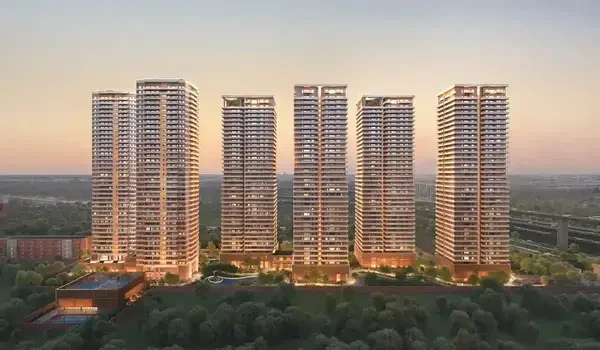
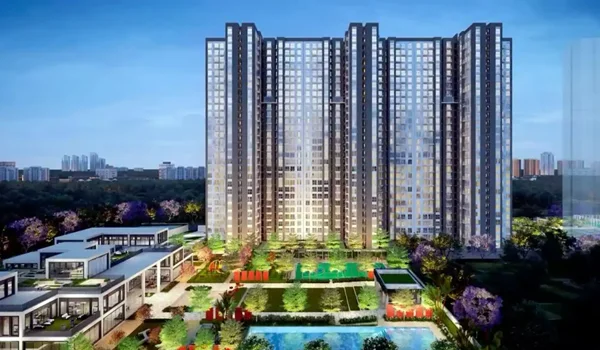
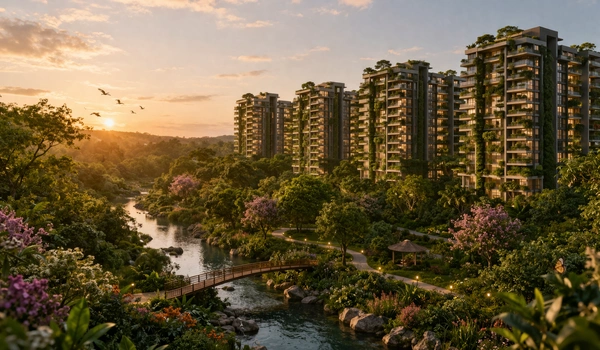
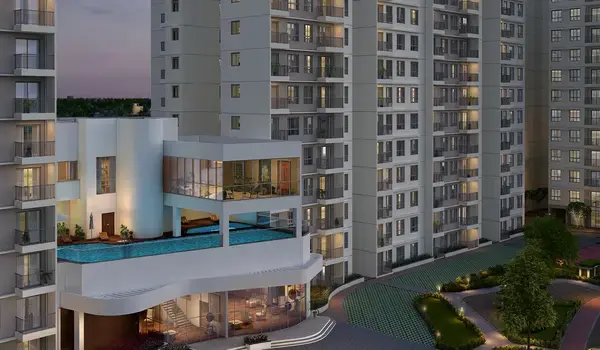
Now, Bannerghatta Road is growing fast. It is known for easy travel, new buildings, and being close to both the city and nature. Many new homes are being built, like Godrej Vanantara. This shows the area is growing and popular. With new metro trains and better roads, Bannerghatta Road will become even more important.

Conclusion


Bannerghatta Road has changed a lot. It started as a village path. Now, it is important for travel, culture, and business. As Bangalore grew, Bannerghatta Road became a busy city street with homes, offices, and new buildings. Even today, Bannerghatta Road keeps growing and stays close to nature. This mix of old and new makes it special in Bangalore.

Enquiry
Enquire Now