How the Hulimavu and IIM-B Junction Road Updates Are Saving Travel Time in South Bangalore
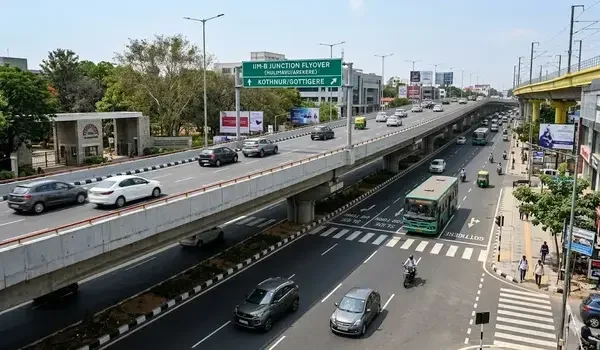

Featured Image of How The Hulimavu And Iim B Junction Road Updates Are Saving Travel Time In South Bangalore

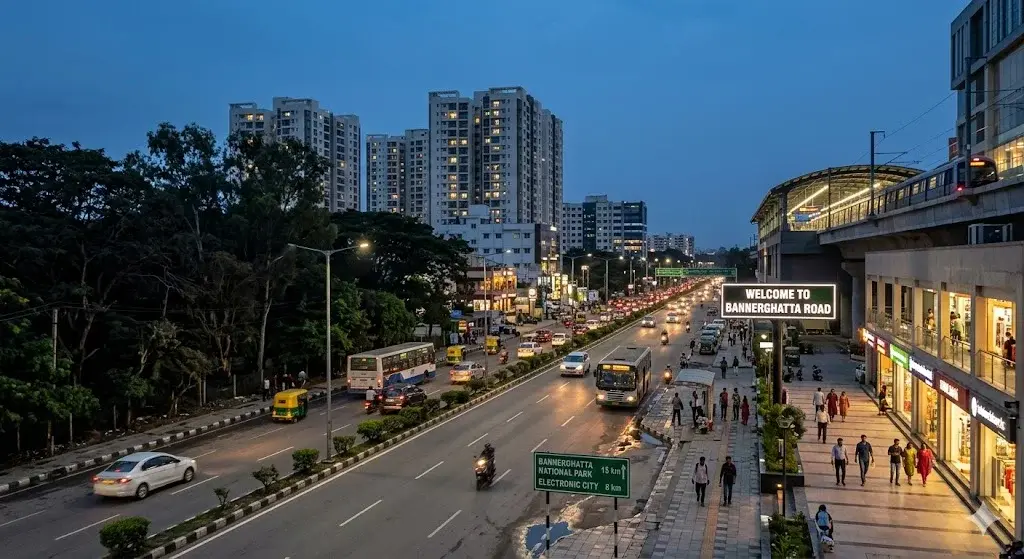
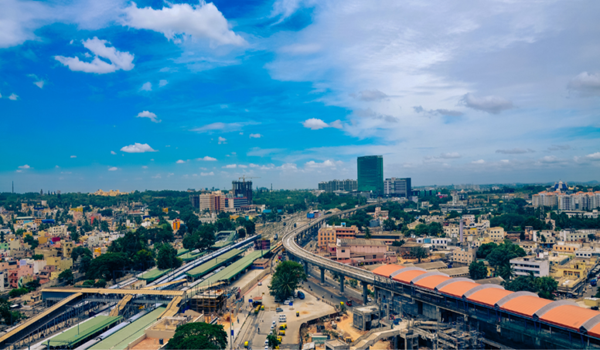
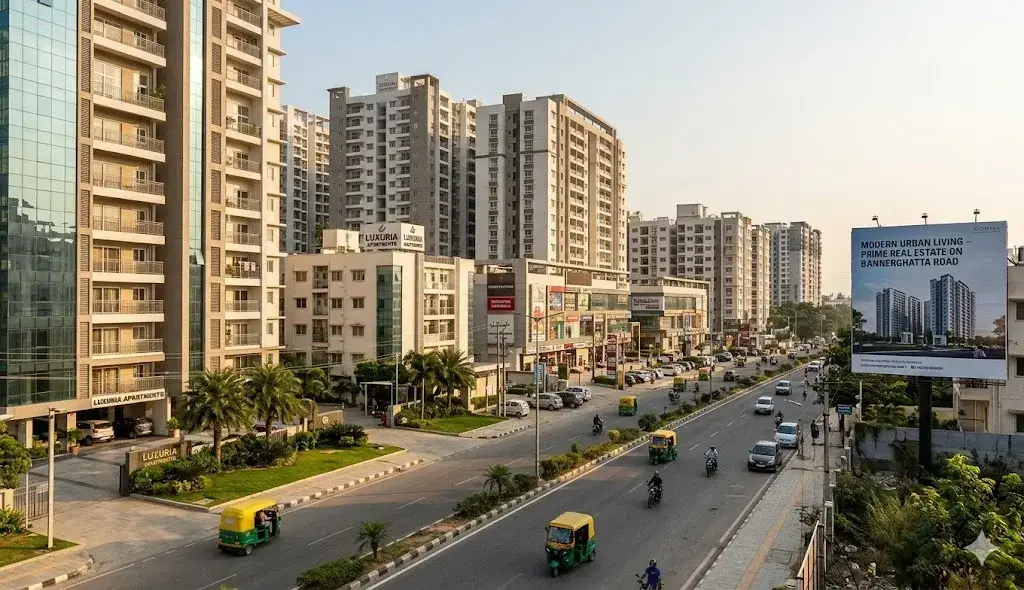
Two junctions on Bannerghatta Road have caused daily delays for South Bangalore commuters for years. The Hulimavu junction and the IIM-B junction sit on one of the busiest roads in the city. Both were serious bottlenecks during peak hours every single day.

Road widening, signal upgrades, and better traffic flow at these two spots are now making a real difference. People heading to Electronic City, JP Nagar, Silk Board and central Bangalore are spending less time stuck here. The savings are visible to anyone who uses this road regularly.

This page explains what has changed, why it matters, and how it affects daily life for residents along Bannerghatta Road.
Where Are These Two Junctions?


Hulimavu Junction

Hulimavu sits on Bannerghatta Road, about 12 kilometres from the city centre. The junction here connects the main road to streets going toward JP Nagar 7th Phase, Arekere, and Gottigere.

This used to be one of the worst spots on the entire corridor. During peak hours, vehicles waited 20 to 30 minutes just to cross one signal. Buses, school vehicles, office cabs, and two-wheelers all meet here every morning.

The Hulimavu Metro Station on the Yellow Line is right at this junction. That added more foot traffic and feeder vehicles to an already busy crossing.

IIM-B Junction

The IIM-B junction is a short distance north of Hulimavu. It is close to JP Nagar 4th Phase and the Puttenahalli area. The junction is named after IIM Bangalore, whose entrance road meets Bannerghatta Road here.

Traffic from Banashankari, JP Nagar and the IIM-B campus road all merge at this single point. During college hours and office peak times, the queue here stretches far back. Buses on the Bannerghatta Road route faced their longest waits at this spot.

These two junctions together made daily travel on this corridor very difficult for most residents.

What Road Work Has Been Done?


Road Widening

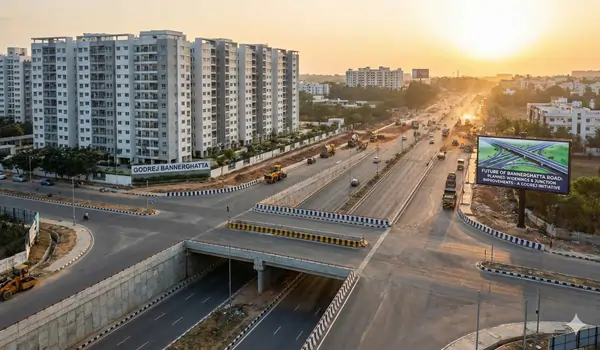
BBMP has been widening Bannerghatta Road in phases between JP Nagar and Hulimavu. Key sections have grown from two lanes to four or six lanes at several points.

At Hulimavu, the approach roads are now wider. The narrow entry and exit lanes that forced vehicles to slow down are gone. More vehicles can now cross each signal cycle. That directly cuts waiting time for everyone behind.

Near IIM-B, the widening has also cleared encroachments. Service road blockages that reduced road width during busy hours have been removed.

Signal and Traffic Improvements

BBMP and BMTC have both worked on signal timing at these two junctions. Old fixed-time signals have been updated or replaced. The new signals respond better to actual vehicle numbers at different times of the day.

At Hulimavu, the metro station created a new traffic problem. Pedestrians and feeder autos were mixing with main road vehicles. Dedicated drop-off and pick-up zones for metro users have been created. Vehicles no longer block the main carriageway while waiting near the station.

At IIM-B, lane markings are clearer now. Turn restrictions are in place during peak hours and vehicles are guided into proper lanes instead of merging randomly. This one change alone has cut a big part of the delay at this junction.

Grade Separator Plans

A grade separator at Hulimavu has been part of BBMP's road plan for the Bannerghatta corridor for some time. A grade separator lets through traffic pass over the junction without stopping at any signal.

Once built, vehicles going straight on Bannerghatta Road will cross over the junction without waiting. Only vehicles turning off will need to stop. Peak-hour delay at this junction could drop from 20 to 25 minutes down to under 5 minutes for straight-through traffic.

How Much Time Are Commuters Saving?


The table below shows approximate travel times on common routes through these junctions before and after the road work.

Route Before Updates After Updates
Hulimavu to Silk Board 35 to 45 minutes 20 to 25 minutes
Hulimavu to Electronic City via NICE Road 25 to 30 minutes 15 to 20 minutes
IIM-B Junction to JP Nagar 4th Phase 15 to 20 minutes 8 to 12 minutes
Bannerghatta Road to BTM Layout 30 to 40 minutes 18 to 22 minutes
Hulimavu Metro to JP Nagar Metro 8 minutes 8 minutes, no change

These are peak-hour estimates. Actual times vary by vehicle type and day of the week.

The Yellow Line Metro stays the most reliable option for the Hulimavu to JP Nagar stretch. Road improvements work alongside the metro by making it easier to reach the station from nearby homes.

Why These Updates Matter for Residents


Travel Becomes More Predictable

The old junction conditions had one big hidden problem. It was not just the time lost. It was that you never knew how long it would take. You could leave at the same time every day and wait anywhere between 10 and 40 minutes at these two signals.

Better junction conditions give you more reliable travel times. You can plan school drop-off, office arrival and evening trips around a realistic estimate. That kind of predictability matters a lot in daily life.

The Metro Becomes Easier to Use

The Hulimavu Metro Station on the Yellow Line is far more useful when the road to reach it is not congested. Many residents in Gottigere, Begur, and lower Bannerghatta Road need to drive or take an auto to reach the station.

When that short feeder trip was taking 20 minutes because of junction delays, most people gave up and drove all the way instead. Better road conditions have brought that feeder time down. Using the metro every day is now a practical choice for many more people.

School and Office Traffic Gets Managed Better

Bannerghatta Road has many schools. Greenwood High, Podar International, and several CBSE schools are on or just off this corridor. The school rush between 7:30 and 9:00 AM used to make junction delays much worse for office-goers leaving at the same time.

Better signal coordination and turn lane management now separate school traffic from main road through traffic. The worst of the overlap that used to make weekday mornings very difficult on this stretch has reduced noticeably.

How These Road Updates Affect Property Prices


Better roads near a residential area drive higher buyer interest and stronger price growth. South Bangalore has seen this pattern repeat after every major road upgrade on the Bannerghatta corridor.

Here is how the Hulimavu and IIM-B junction updates are playing out for nearby property:

  • Projects within 2 to 3 kilometres of Hulimavu attract more buyers as daily commuting becomes less stressful
  • Rental demand rises when travel to Electronic City and other job zones gets faster
  • Gated communities on this stretch become easier to reach for guests, cab services, and deliveries
  • Long-term investors treat visible road progress as a positive sign for future price growth

Areas like Begur, Gottigere, Arekere, and Dinnepalya sit inside this improved zone. Buyers here are buying into better road conditions today and further upgrades still planned for this corridor.

Key Routes That Benefit From These Upgrades


Destination Route Used Junction Involved
JP Nagar shopping and schools Bannerghatta Road north IIM-B junction
Electronic City tech parks NICE Road via Hulimavu Hulimavu junction
Silk Board and Koramangala Bannerghatta Road to ORR Both junctions
Banashankari and Kanakapura Road IIM-B turn IIM-B junction
Whitefield and Marathahalli NICE Road to ORR Hulimavu junction
Jayanagar and South Bangalore Bannerghatta via JP Nagar Both junctions

Every one of these daily routes passes through or depends on one of these two junctions. Better conditions at both points improve travel time across all these routes together.

What to Check Before Buying a Home in This Zone


If you are looking at a flat near Bannerghatta Road, road infrastructure should be part of your decision. Here are the practical things worth checking:

  • Distance to Hulimavu Metro: Homes within 2 to 3 kilometres of the station benefit most from the Yellow Line. The feeder road to the station is also less congested now.
  • Project access road: Check if the project gate connects to a road that avoids the junction. Or does all traffic depend on the main Bannerghatta Road signal?
  • NICE Road access: Projects near Gottigere and Begur have quick access to NICE Road. This lets you bypass city roads completely for Electronic City and Mysore Road commutes.
  • Internal road options: Some projects in this zone are accessible via roads that run parallel to Bannerghatta Road. These give quieter access without full dependence on the junction.
  • Upcoming grade separator: The Hulimavu grade separator is in BBMP's plan. Buyers entering the market now are likely to benefit from this upgrade while living here.

Godrej Properties Prelaunch Project is Godrej Vanantara.

Frequently Asked Questions


1. Q1. What has changed at the Hulimavu junction on Bannerghatta Road?

The approach roads have been widened and signal timing has been improved. Dedicated metro feeder zones have been created near the Hulimavu Metro Station. A grade separator is also planned for this junction.

2. Q2. How does the IIM-B junction improvement help commuters?

Better lane markings, peak-hour turn restrictions, and improved signals have reduced the random merging that caused most of the delay here.

3. Q3. How much travel time do residents actually save?

On the Hulimavu to Silk Board route, peak-hour time has dropped from 35 to 45 minutes down to 20 to 25 minutes. On the IIM-B to JP Nagar 4th Phase stretch, the saving is around 8 to 12 minutes.

4. Q4. Does the Hulimavu Metro Station reduce road congestion?

Yes. More commuters switching to the Yellow Line at Hulimavu means fewer private vehicles on Bannerghatta Road. Q5. How do these road updates affect property prices on Bannerghatta Road? Better road infrastructure near a housing zone drives higher buyer demand within one to two years. Areas like Begur, Gottigere, and Dinnepalya sit in the direct influence zone of both junctions. These areas are likely to see steady price growth as commuting on this corridor keeps improving.
Godrej Vanantara Blog


Enquiry
Enquire Now